Herbs for Energy, Vitality, and Healthy Aging


Herbs for Energy, Vitality, and Healthy Aging

By David Winston, RH (AHG)

June 2026

Energy, vitality, and healthy aging are closely connected. How we eat, sleep, manage stress, exercise, and care for emotional health all influence how we feel as we age. Herbal traditions have long approached these concerns holistically; not by focusing on a single symptom, but by supporting the body’s ability to adapt, restore balance, and maintain resilience over time.

Traditional systems including Traditional Chinese Medicine, Ayurveda, Eclectic Medicine, and Western herbalism have used herbs for centuries to support stamina, cognitive function, cardiovascular health, digestion, circulation, stress response, and restorative sleep. Modern research continues to explore many of these traditional uses, particularly in the areas of adaptogens, nootropics, cardiovascular support, and healthy aging.

The Foundation of Vitality

Healthy aging begins with foundational lifestyle practices. A healthy diet, regular movement, restorative sleep, emotional well-being, and healthy relationships all contribute to long-term vitality. Physical activity is especially important. Regular exercise supports cardiovascular health, circulation, stress management, and overall resilience.

Digestive health also plays a central role. Digestion, elimination, gut health, and the intestinal microbiome all influence how well nutrients are absorbed and how effectively metabolic wastes are eliminated. Bitters are among the most useful traditional herbal tools for supporting digestion. By stimulating digestive function, bitters can improve nutrient absorption and support healthy elimination.

Alterative herbs have also traditionally been used to support the body’s natural eliminatory processes. Herbs such as Burdock root, Red Root, Red Clover flower, Figwort, and Violet have historically been used to support healthy elimination through the body’s major eliminatory systems.

Adaptogens and Energy Support

One of the most important categories of herbs for energy and vitality are adaptogens. Adaptogens help the body adapt to physical, emotional, and environmental stressors by helping support the HPA (Hypothalamic-Pituitary-Adrenal) axis and the sympatho-adrenal system (SAS). They also help promote resilience by modulating the body’s normal stress response by molecular chaperones (heat shock proteins, Forkhead protein FOXO, neuropeptide Y) and balancing cortisol production.

Unlike stimulants, adaptogens are intended to support sustained energy and recovery after exercise, rather than creating a short-term increase in alertness followed by depletion. Herbs such as Eleuthero (Eleutherococcus senticosus), Rhodiola (Rhodiola rosea), Ashwagandha (Withania somnifera), Schisandra (Schisandra chinensis), American Ginseng (Panax quinquefolius), Asian (Red) Ginseng   (Panax ginseng) and Cordyceps (Ophiocordyceps sinensis, Cordyceps militaris) have long histories of traditional use for supporting endurance, vitality, and recovery after a workout.

David Winston's Energy Adapt™ is formulated as a stimulating combination of adaptogens, nootropics, and mood balancing herbs including Gotu Kola (Centella asiatica), Red Ginseng (Panax ginseng), Rhodiola root, Holy Basil (Ocimum tenuiflorum), Mimosa bark (Albizia julibrissin), Maca root (Lepidium meyenii), and Rosemary (Rosmarinus officinalis).

David Winston's Daily Adapt™ is designed for individuals who need more balanced daily support. It combines Eleuthero root, Oat milky seed (Avena sativa), Gotu Kola, Rhodiola root, and American Ginseng root.

David Winston's Fit Adapt™ was developed for athletes, individuals in training, and people performing physically demanding work. The formula includes Eleuthero root, Schisandra fruit, Hawthorn (Crataegus spp.) berry, flower and leaf, Reishi mushroom and mycelium, Ashwagandha root, Sarsaparilla root (Smilax spp.), Turmeric rhizome (Curcuma longa), and Cordyceps.

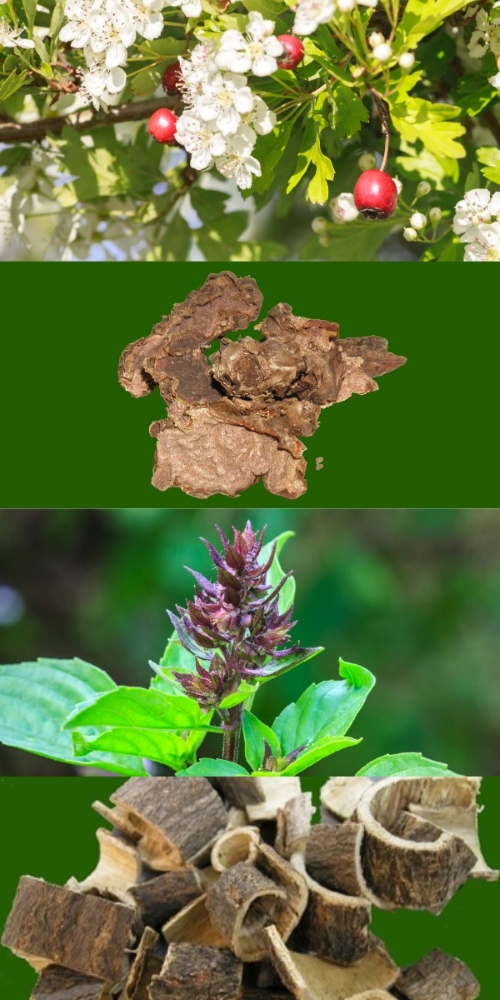
Hawthorn, Mimosa bark, Ashwagandha, Holy Basil.

Cognitive Support and Healthy Aging

Healthy aging also involves maintaining healthy cognitive function, memory, and focus. Lion’s Mane mushroom (Hericium erinaceus) has become one of the most widely discussed nootropic mushrooms because of its neurological benefits. Research suggests two groups of compounds contribute to its cognitive support activity. Erinacines are found primarily in the mycelium, while hericenones are found in the fruiting body.

These constituents require different extraction methods, which is why combining separate mycelial and fruiting body extracts can provide broader activity than using either alone. This reflects a growing understanding that different parts of medicinal fungi and plants may contribute complementary actions.

Other herbs traditionally used to support healthy cognition and circulation include Ginkgo (Ginkgo biloba), Bacopa (Bacopa monnieri), Rosemary,  White Peony (Paeonia lactiflora), Lavender (Lavendula spp.) and Gotu Kola. Most of these herbs are found in David Winston's Clarity Compound™. Many of these herbs have also historically been used to support circulation and vascular integrity, which are closely linked to healthy cognitive aging.

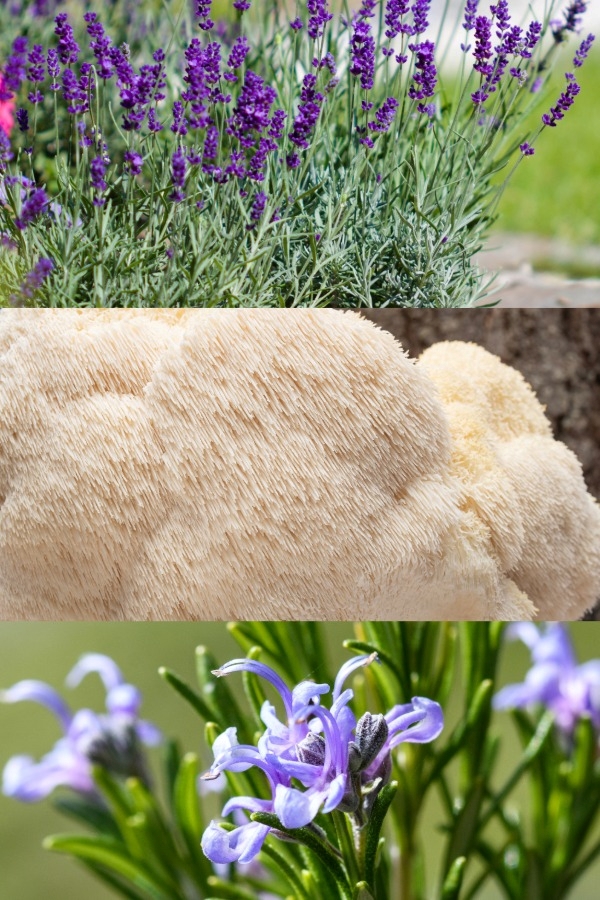
Lavender, lion's mane, rosemary.

Cardiovascular Health and Aging

Cardiovascular health remains a central focus as one ages. The greatest shift over the past several decades has been increased public awareness of how lifestyle influences cardiovascular function. Maintaining a healthy diet, managing stress, exercising regularly, and supporting healthy sleep patterns all contribute significantly to long-term cardiovascular wellness.

Herbs have a long history of traditional use for supporting cardiovascular health. Among the best known are Hawthorn, Dan Shen (Salvia miltiorrhiza), Astragalus (Astragalus membranaceus), Olive leaf (Olea europaea), Garlic (Allium sativum), Kudzu (Pueraria montana), Dang Gui (Angelica sinensis), and Rhodiola.

Additional herbs traditionally used to support healthy circulation and cardiovascular function include Amla fruit (Emblica officinalis), Ginger (Zingiber officinale), Rosemary, Motherwort (Leonurus cardiaca), Linden flower (Tilia spp.), Arjuna (Terminalia arjuna), Tienqi Ginseng (Panax notoginseng), Butcher’s Broom (Ruscus aculeatus), and Prickly Ash (Zanthoxylum clava-herculis).

David Winston's Cardio Compound™ combines Hawthorn berry, flower and leaf, Linden flower, Motherwort, Olive leaf, and European Mistletoe (Viscum album). It is designed to help maintain healthy blood pressure levels already in a normal range.

David Winston's Healthy Heart Compound™ combines Hawthorn with Dan Shen, Astragalus, Dong Quai/Dang Gui, Corydalis, and Night-Blooming Cereus. This formula acts as a cardiovascular trophorestorative helping to support heart and circulatory function.

David Winston's Ginkgo/Horse Chestnut Compound™ contains Collinsonia, Ginkgo, Gotu Kola, Hawthorn, Goji berry (Lycium barbarum), Cinnamon (Cinnamomum verum), and Horse Chestnut seed (Aesculus hippocastanum) to support peripheral circulation and vascular integrity.

Many of these herbs contain flavonoids and carotenoids that help support endothelial and vascular function. Traditional herbal systems have long emphasized circulation, vascular tone, and stress regulation as important aspects of maintaining vitality throughout aging.


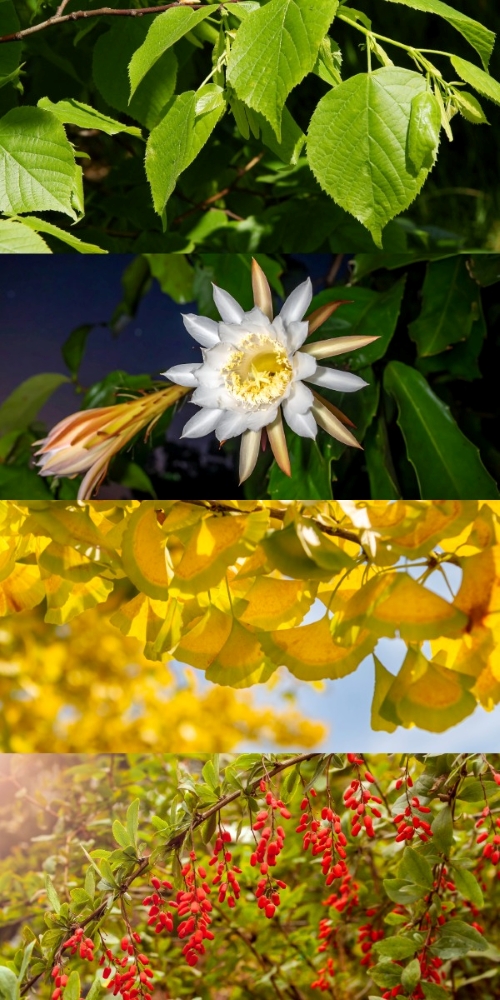
Linden, Night blooming cereus, Ginkgo, Goji berry

Stress, Sleep, and Long-Term Resilience

Stress management is essential for maintaining energy and healthy aging. Adaptogens and nervines are often used together to support both the stress response and nervous system regulation.

David Winston's Calm Adapt™ combines the calming adaptogens Ashwagandha root and Schisandra berry with nervines such as Linden flower, Oat milky seed, Reishi mushroom and mycelium.

David Winston's Serenity Compound™ combines nervines Chamomile flower (Matricaria chamomilla), Linden flower, Oat milky seed and Skullcap flowering tops (Scutellaria lateriflora), with the mild non-stimulating adaptogen Eleuthero.

David Winston's Tension Relief™ contains Motherwort flowering tops, Oat milky seed, Blue Vervain flowering tops (Verbena hastata), Bacopa, and Polygala root (Polygala tenuifolia). It helps maintain a calm demeanor and mindset.

Sleep is another critical component of healthy aging. Adequate, restorative sleep influences physical recovery, emotional resilience, immune function, cognitive performance, healthy blood pressure and blood sugar levels already in a normal range, digestive function and normal elimination. Traditional sleep-supporting herbs found in David Winston's Phytocalm™ include Skullcap, Hops (Humulus lupulus), Passionflower (Passiflora incarnata), California Poppy (Eschscholzia californica), Valerian (Valeriana officinalis), and Oat milky seed.


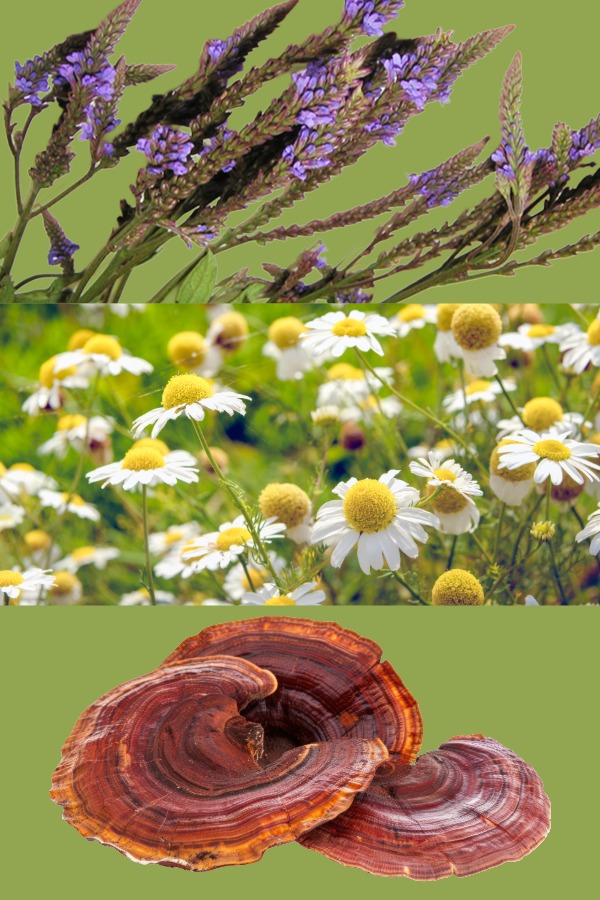
Blue vervain, Chamomile flowers, Reishi mushroom.

Healthy Aging Is Multifactorial

Healthy aging is not dependent on any single activity, lifestyle factor, herb, or supplement. It is the result of long-term support for digestion, elimination, stress adaptation, cardiovascular health, restorative sleep, emotional well-being, cognitive function, and physical activity. Herbs can play an important role within that broader framework. Traditional herbal systems have always viewed vitality and aging as interconnected processes involving multiple body systems working together. Modern consumers increasingly recognize that energy, resilience, focus, mood, circulation, and sleep are not separate factors; they are part of the same larger picture of maintaining health and vitality throughout life.

*These statements have not been evaluated by the Food and Drug Administration. These products are not intended to diagnose, treat, cure, or prevent disease.

* * *

This blog is intended as an informational guide. The remedies, approaches and techniques described herein are meant to supplement, not be a substitute for, professional medical care or treatment. They should not be used to treat a serious ailment without prior consultation with a qualified health care professional.

To top